Route 6
The East African-Levant Passages
Locations: Cairo, Alexandria, Assuan, Tala (Egypt)
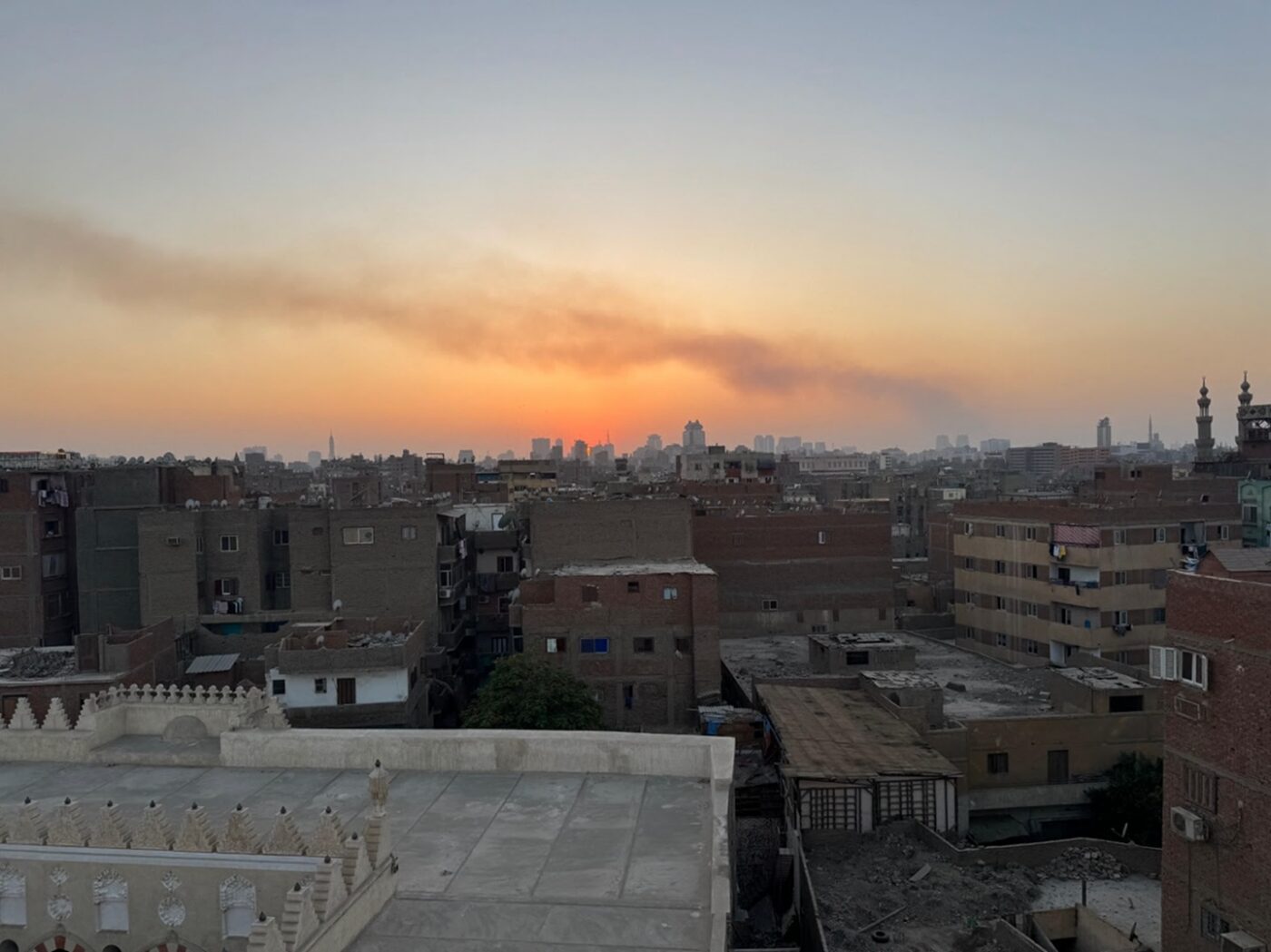
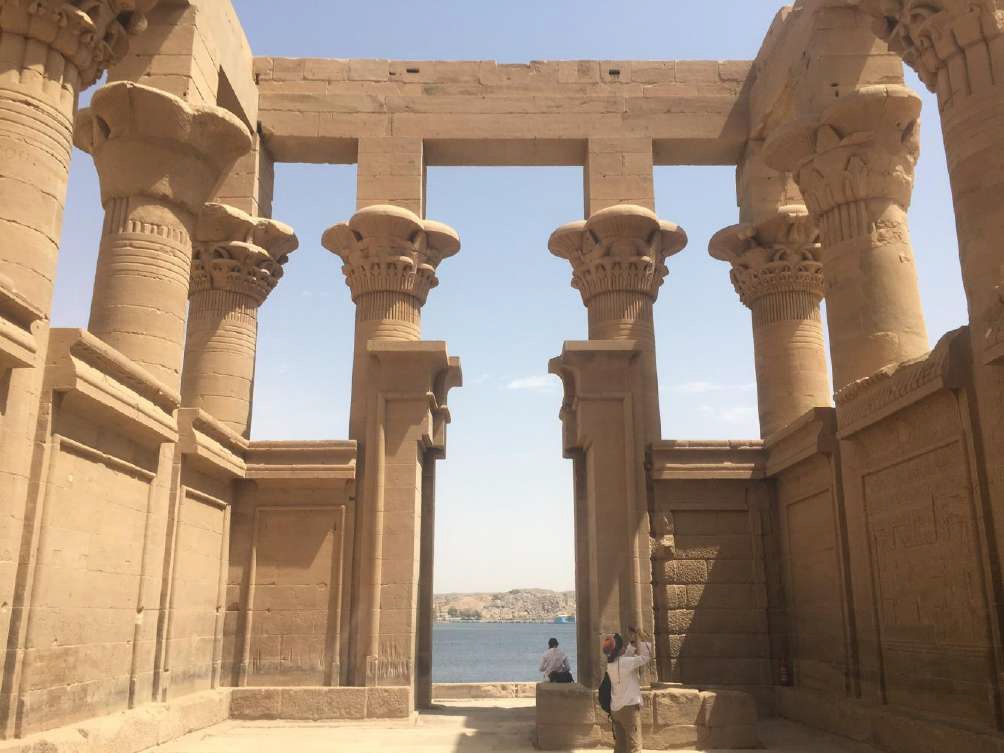
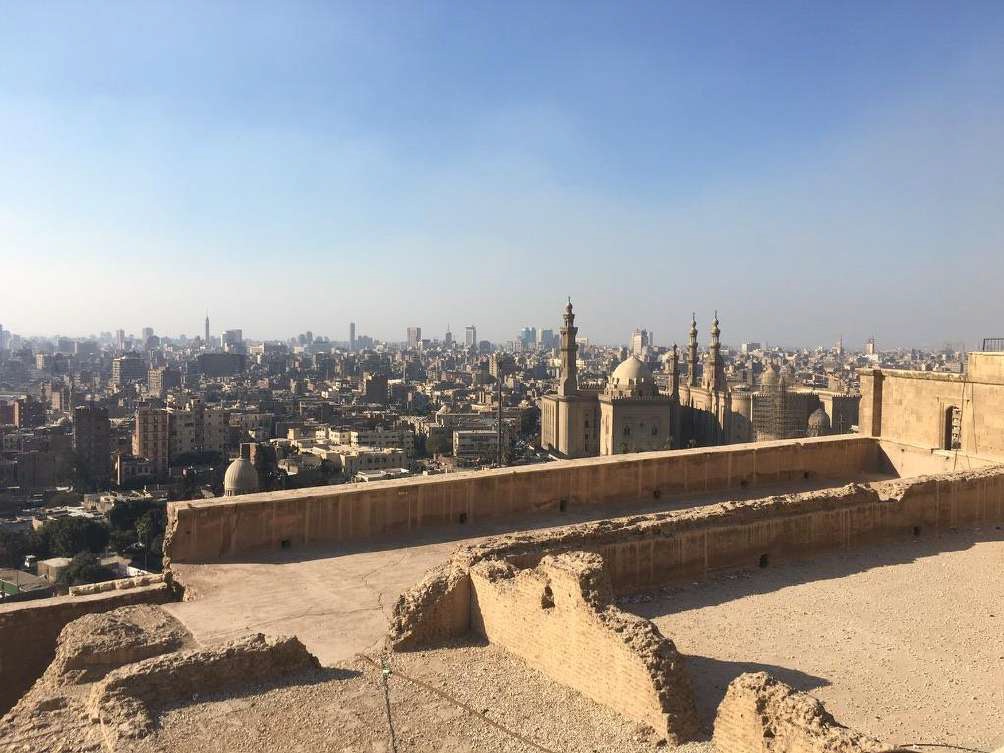
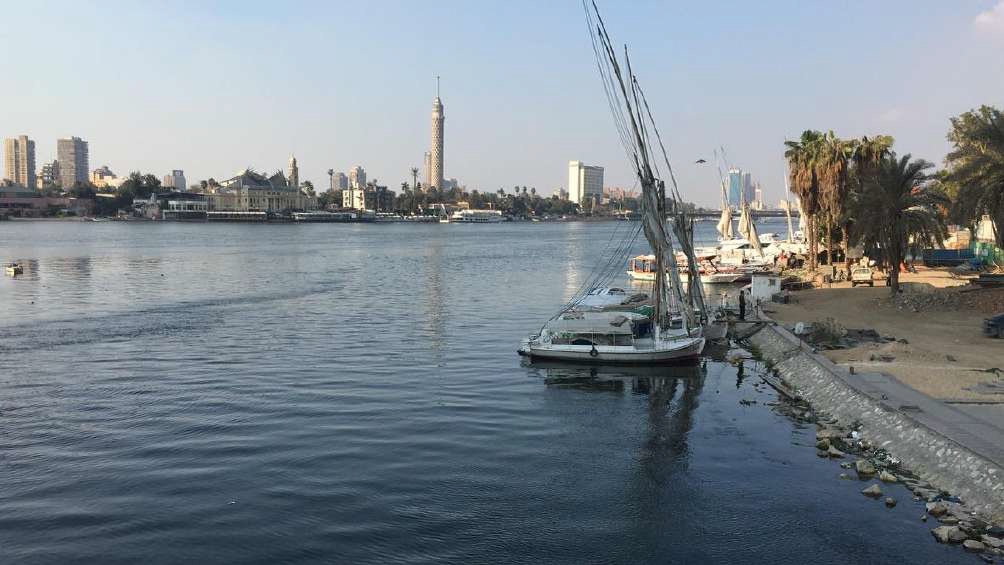
The research brings together two ethnographic caravans conducted in Cairo, focusing on the experiences of Sudanese and Palestinians who fled the wars in their countries and are currently living in exile in the Egyptian capital.
The study explores networks of support, practices of solidarity and self-organisation, and the socio-material conditions of displacement, addressing how migration pathways are materially shaped, whether through pre-existing networks or improvised tactics, and reflecting on exile as a lived experience, shaped by urgency, uncertainty, and steadfastness.
Starting from the assumption that, partly due to the lack of a clear national asylum policy, Cairo represents less a city for refugees and asylum seekers than a place of forced yet voluntary and conscious exile, the research aims to focus on the Egyptian capital as specific hub or crossroads of different routes and experiences of displacement. In particular, it seeks to explore the different ways of inhabiting both the spatial articulation of the city and the undefined temporality and prolonged waiting that are proper of different groups of exiled people in different historical moments. Therefore, Cairo is interrogated as a site of temporary refuge, a stage of transition, or a space of reluctant permanence.
In the case of Sudanese diaspora in Cairo, through a gender-sensitive lens, the research explores how gender roles are constructed, negotiated, and transformed within transnational families and diasporic settings. Particular attention is given to young people’s experiences, family dynamics, and the collective strategies used to access mobility and stability.
As for the gazawi within the crossroads of Cairo, the research focuses specifically on the ways in which Palestinian exile adapts itself to the socio-economic and urban context of the Egyptian capital. In particular, it explores the spatio-temporal predicaments affecting social networks, meanings, identities, discourses, as well as the material forms of cooperation and alliances mobilised by exiled Palestinians in order to facilitate projects of (im)mobility and temporary (re)settlement, coping with restrictions on Palestinians’ right to stay, to return, and to move onward.