Node 49 - Antenna
Ended
October 2024 - November 2025
Countries: Tunisia
Nodes: Mahdia, Chebba
Maritime Solidarities from Below? Framing the Nexus between Fishing and Crossing in the Mahdia region (Tunisia)
An ethnographic study of how fishermen and youth in coastal Tunisia navigate and reshape migration infrastructures under EU border externalisation, generating new forms of solidarity, smuggling economies, and self-organised maritime crossings.
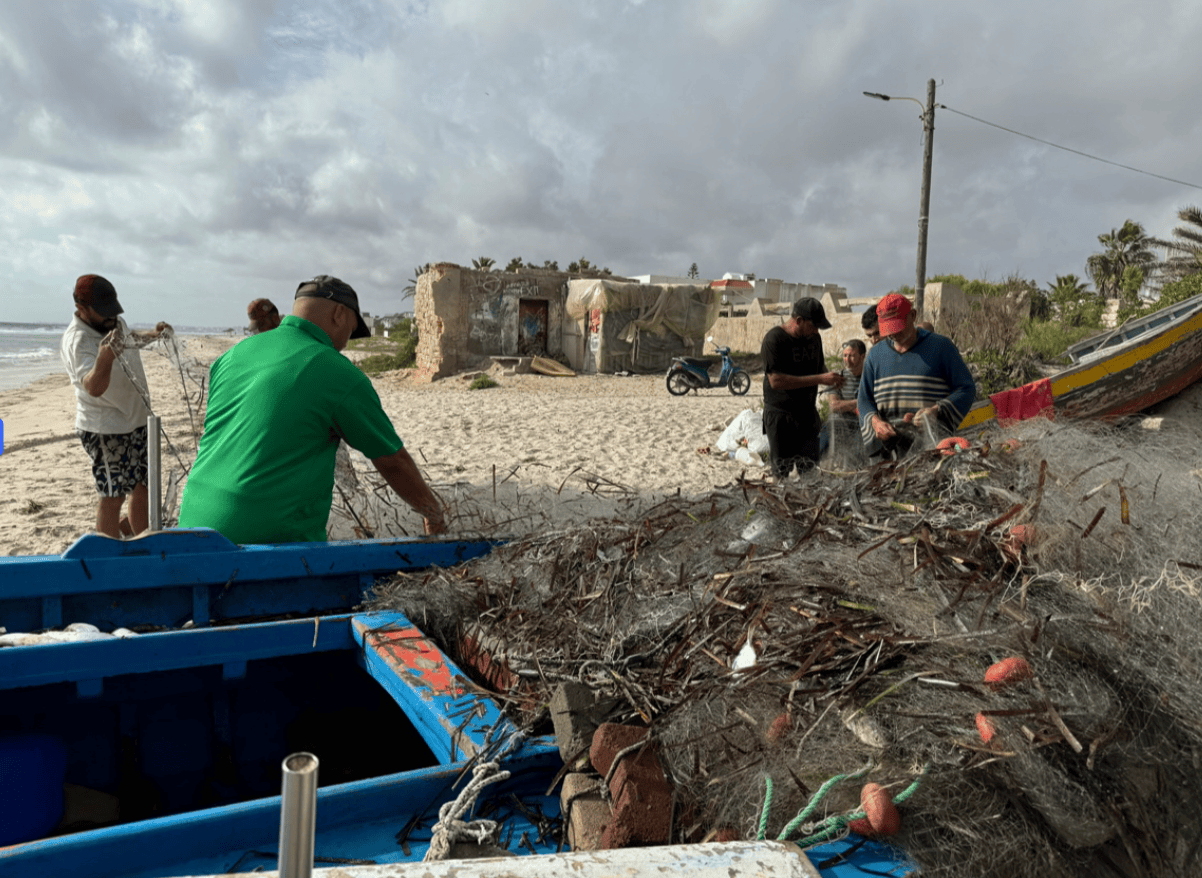
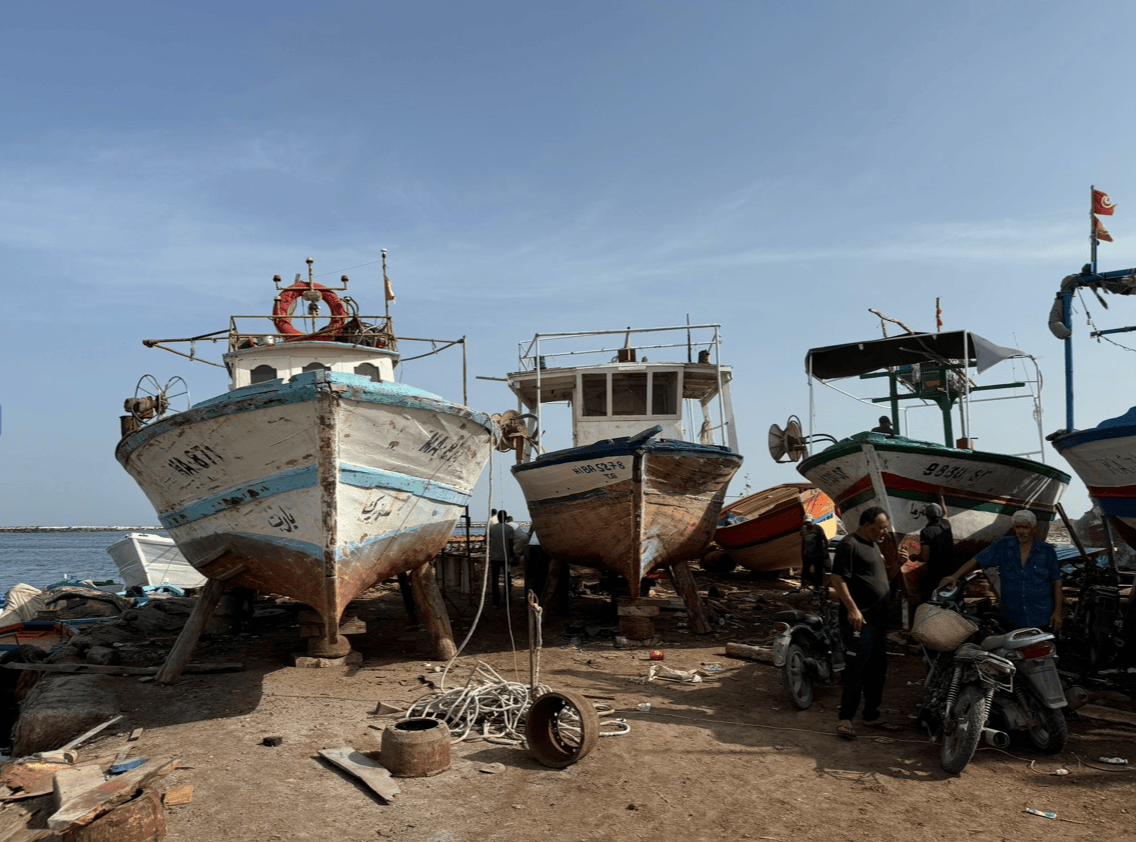
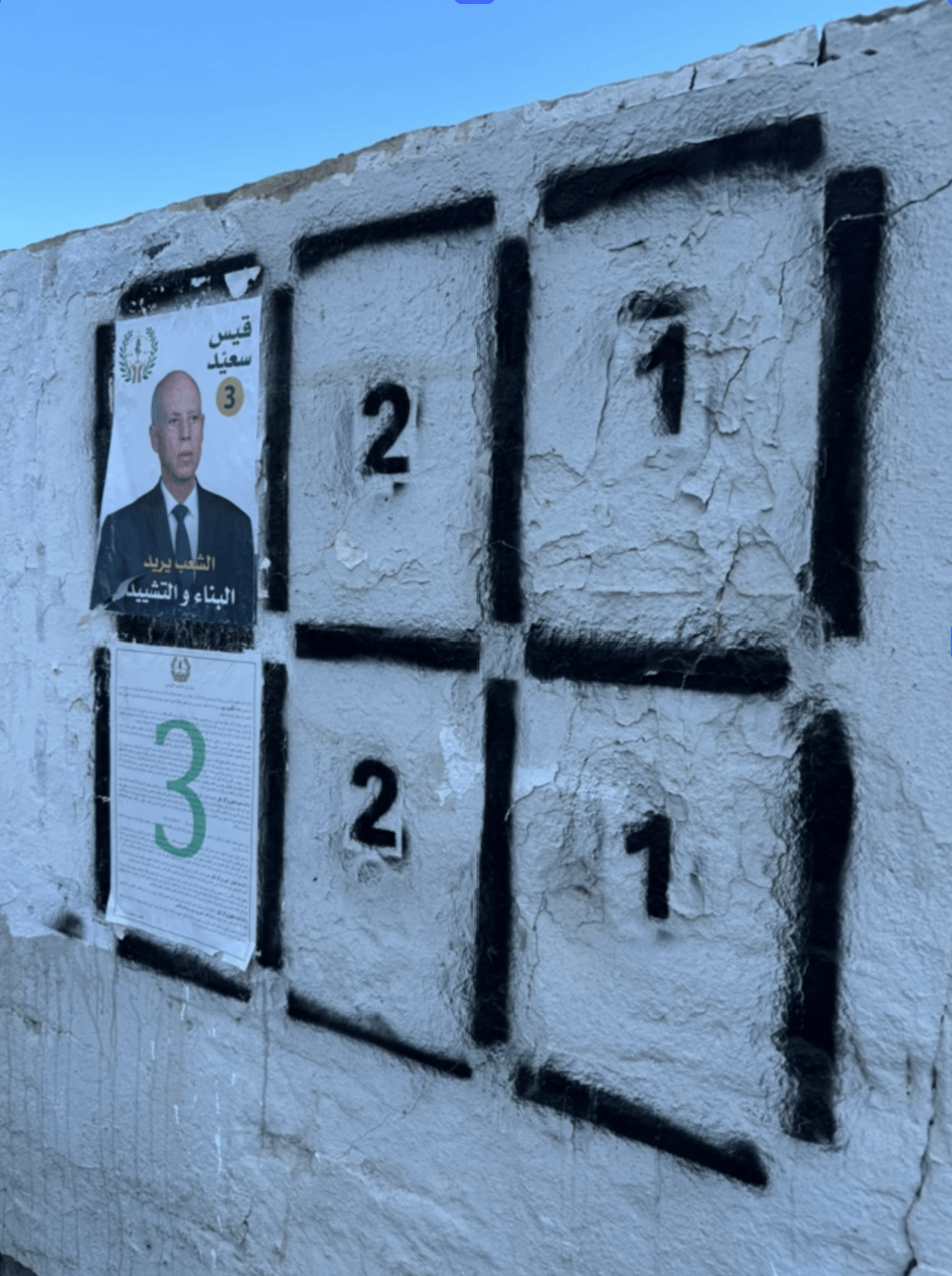
The Governorate of Mahdia, with its fishing ports and coastal towns, offers a unique vantage point for
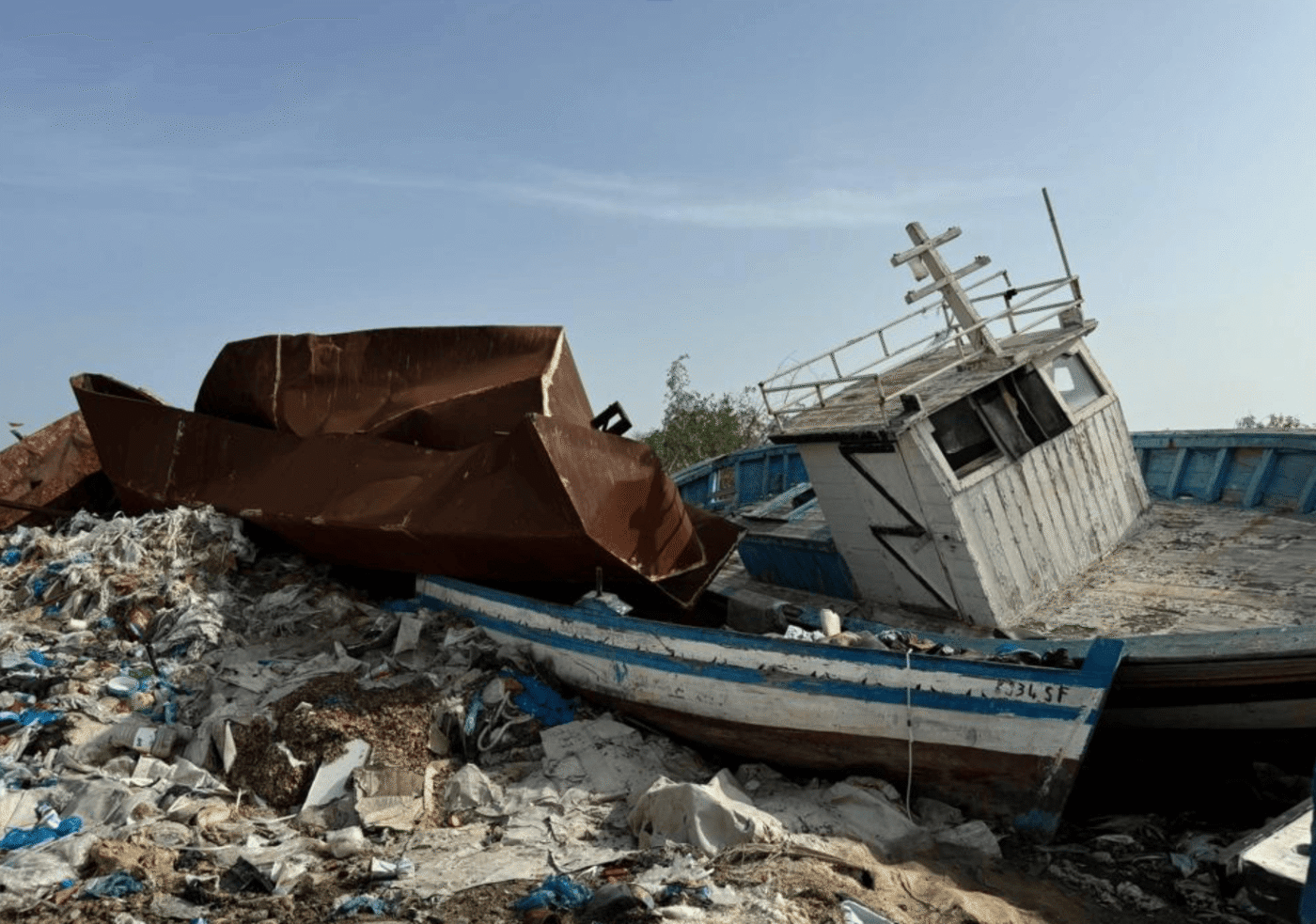
exploring the effects of increasing migration prohibition on the rearticulation of solidarity in the crossing of the central Mediterranean. From this privileged observatory, one can trace how the securitisation of the Italian-Tunisian border – initiated with the restructuration of the European border regime in the 1990s – has not halted departures, but has resulted in stark social stratifications and differentiated travel modes, divided along lines of race, class, gender, and personal abilities. These dynamics have profoundly impacted historical neighbourhood connections with Sicily. Contrary to its intended purpose of halting departures, Euro-Tunisian migration restrictions along the central Mediterranean route have primarily restructured access to migratory infrastructures, creating rigid socio-racial hierarchies. This reconfiguration manifests in varied levels of access to travel arrangements, vessel types, nautical equipment, payment scales, risks undertaken, and prospects of success. The opening image of two wrecked boats in Chebba’s boat graveyard vividly captures this contrast: the notorious iron boats used by sub-Saharan migrants, juxtaposed against the wooden flouka typically employed by local harraga (literally “those who burn” borders).