Mayotte Reportage Exposes Europe’s Border Contradictions
A new interdisciplinary reportage, produced after two months of fieldwork by researchers linked to the ERC SolRoutes project, casts Mayotte — a French department in the Indian Ocean, as a stark mirror of contemporary European migration and border policies. The piece, structured as an introduction and five chapters, weaves sociological, geographic, legal, and narrative perspectives to show how long histories of colonial rule have shaped the island’s present: extreme poverty, intense surveillance, and a systematic erosion of birthright citizenship.
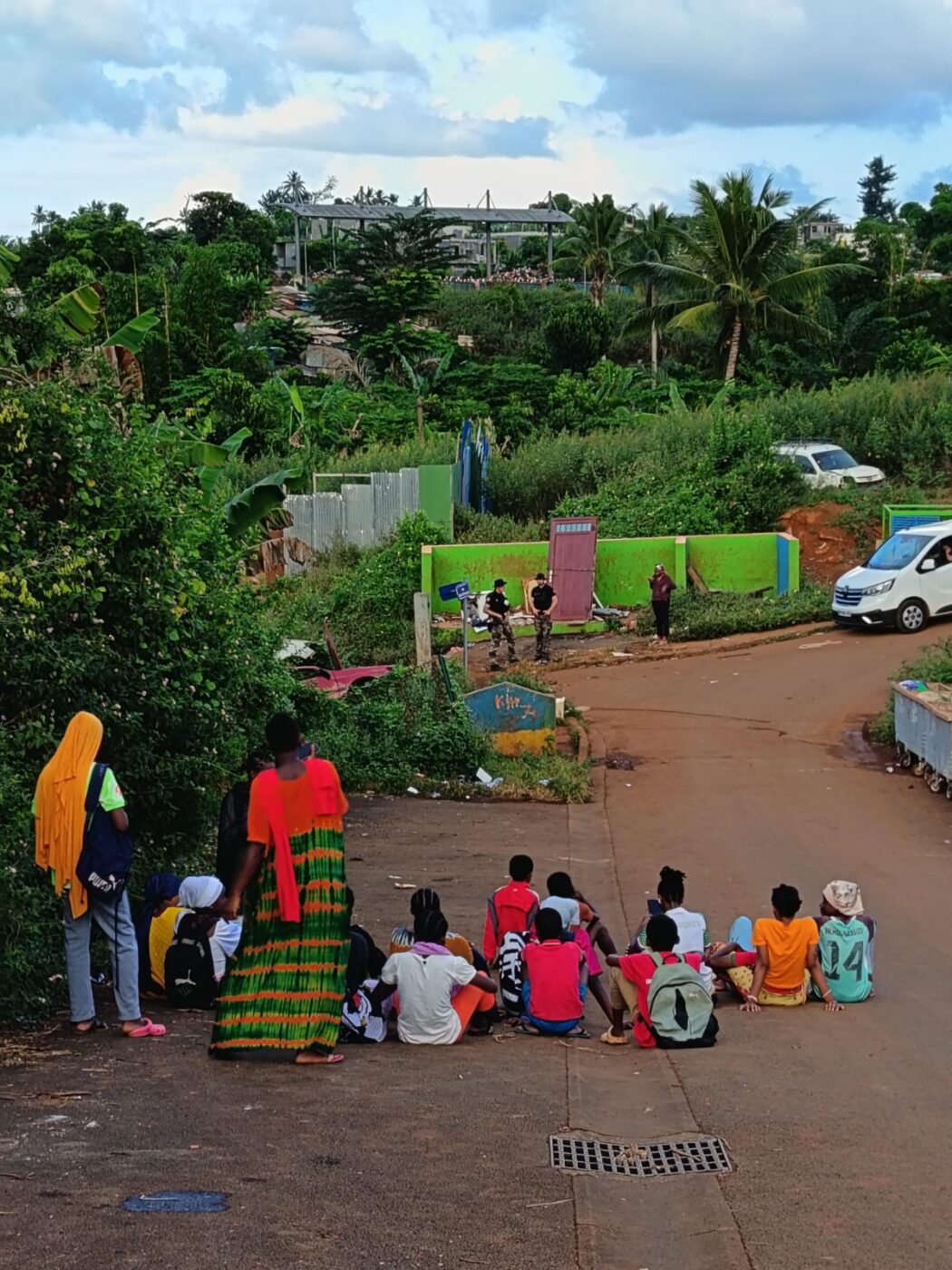
Mayotte’s reality, the reportage argues, is not an isolated experiment at Europe’s edge but a fully operational mechanism of border control. Migrants fleeing the African mainland, residents evicted from informal settlements, and young people born or raised on the island yet lacking documentation all speak in the text. Their testimonies reveal how administrative practices, policing, and legal restrictions combine to produce exclusion on a mass scale, and how those practices reflect and reinforce continental border regimes.
The investigation highlights three interlocking dynamics. First, legal exclusion: the progressive narrowing of ius soli and the routine use of expulsions have created a large population of precarious residents. Second, social and economic marginalization: limited access to decent work, housing, and services deepens vulnerability. Third, institutional normalization: local enforcement and administrative routines make exclusion appear ordinary and technically justified, obscuring its human cost.
The reportage situates these local dynamics within broader European politics. By documenting how Mayotte’s control apparatus functions in practice, the work challenges narratives that treat border management as a distant policy problem; instead it presents Mayotte as a laboratory where techniques of surveillance, deterrence, and exclusion are refined and exported. The result is an uncomfortable reflection on the wider European project: policies framed as security or order can produce systematic injustice when applied to vulnerable populations.
Authors and researchers involved call for urgent, evidence‑based policy responses: restore and protect citizenship rights; prioritize humane alternatives to expulsions; invest in social and economic inclusion; and open independent oversight of enforcement practices. They also urge European institutions and national governments to recognize the island’s conditions as part of a shared responsibility rather than a peripheral problem to be managed locally.
This reportage contributes to ongoing debates about migration, colonial legacies, and the ethics of border governance. It will be of interest to scholars, policymakers, human rights organizations, and journalists following migration in the Indian Ocean and Europe. Readers are encouraged to consult the full piece for detailed testimonies, legal analysis, and the interdisciplinary evidence that underpins these findings.
Read all articles in this link